Serg
Gallery
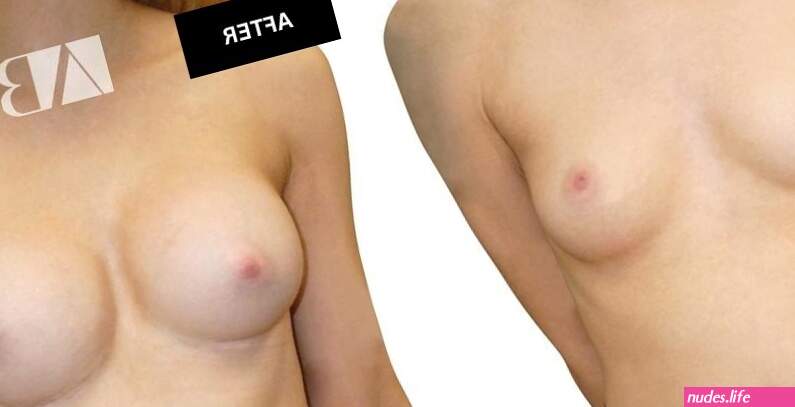

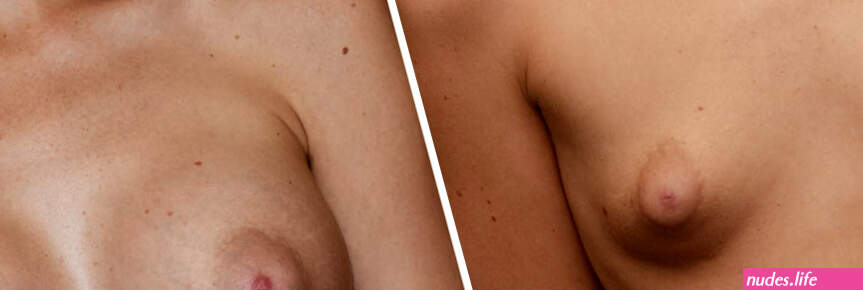

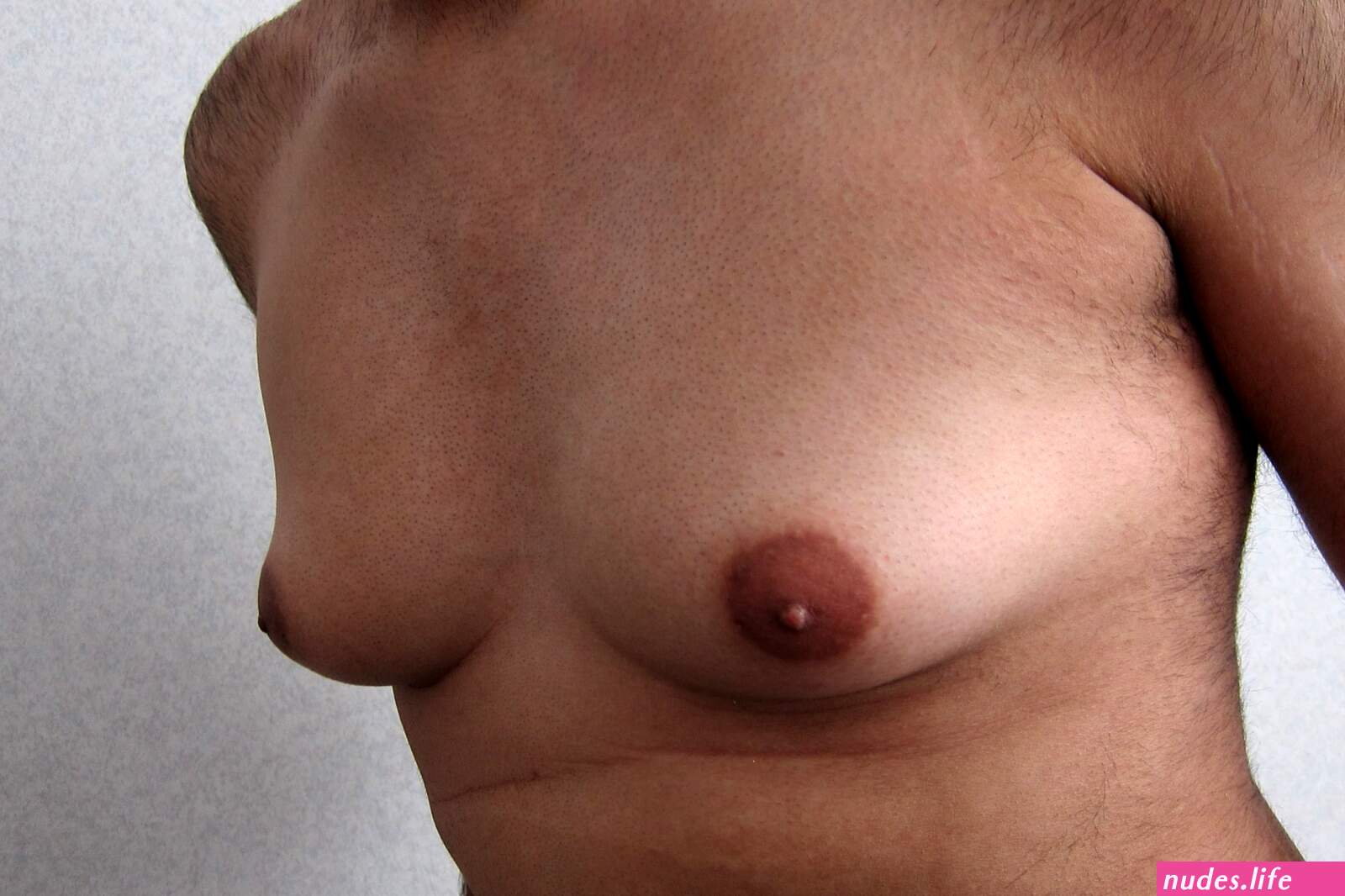

Puffy nipples describe an aesthetic variation where the nipple–areola complex protrudes or appears “puffed” beyond the normal breast contour. In women, this is often a benign finding rather than a disease. It commonly occurs in the context of tuberous (tubular) breast development or in response to hormonal changes. For example, medical sources define puffy nipples as : A noticeable protrusion of the nipples or areolas, deviating from the chest’s usual contour
Puffy nipples often arise from underlying breast shape and tissue issues. One common cause in women is the tuberous (tubular) breast deformity – a congenital condition where the breasts fail to develop a full round shape during puberty. In tuberous breasts, a tight ring of tissue at the base constricts growth, leading to a narrow breast base and bulging of the nipple–areola complex. Clinically, tuberous breasts are underdeveloped and often underdeveloped with enlarged or unusually shaped nipples. The result is a breast that may look conical or “snoopy-like,” with a disproportionately large or puffy areola. In fact, specialists note that tuberous breasts often feature a “herniated nipple–areolar complex and an enlarged areola”, contributing directly to a puffy nipple appearance.
Other contributing factors include weight fluctuations and body fat distribution. Excess fatty tissue in the chest can press on the nipple region, making it appear more prominent. While weight gain or obesity tends to affect overall breast size, uneven fat distribution can emphasize the areola. Conversely, weight loss can sometimes make the areola look relatively larger on a smaller breast mound. Some women also report that tight clothing or friction (from clothes or exercise) can create a temporarily puffy look. Certain medications (such as steroid use) or hormone therapies can influence breast tissue and should be reviewed with a doctor if puffy nipples appear suddenly without an obvious cause.
Women considering whether they have puffy nipples should know the typical signs. Puffy nipples present as protrusion or bulging of the nipple or areola beyond the usual breast profile. In tuberous breast cases, the breast may appear narrow or cylindrical, with the nipple pointing outwards. Key clues include:
It is important to differentiate puffy nipples from other breast changes. A fixed hard lump or bloody discharge would be concerning and likely unrelated to the typical “puffy nipple” phenotype; those symptoms warrant a medical exam. But for most women with puffy nipples, the exam will show no pathology. Diagnosis of a tuberous breast, which often underlies puffy nipples, can usually be made by a plastic surgeon on physical exam alone.