Serg
Serg
Gallery


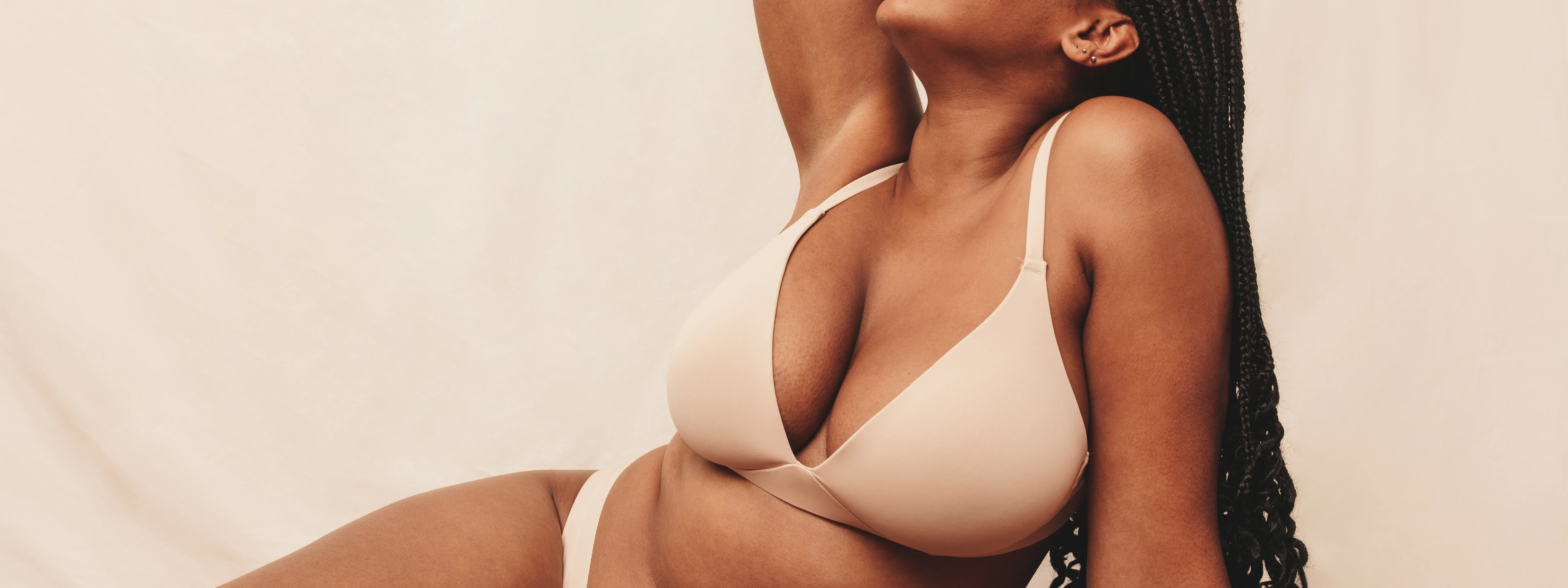
We talked to four lingerie experts about the best backless bras and boob tape options out there to go with your wedding dress or backless top from brands like Brassybra, Booby Tape, Fashion Forms, Nubra, and more.
Believe it or not, your boobs started growing in the womb with the development of your milk-duct system. Then, during puberty, they change thanks to increasing estrogen levels. (Estrogen is a hormone that builds fat in your connective tissue.) Your breast size, areola, and nipple size generally grow larger, making changes in breast shape and size more noticeable. Your boobs will likely continue to change throughout your life, which is totally normal.
Just as your genes help dictate your hair and skin color, how tall you are, and a bunch of other characteristics, they also have some impact on your breast size. That doesn’t mean you’re guaranteed to be a C-cup if other people in your immediate family are, but it’s more likely for you than someone who comes from a family with a history of A-cups.
Your breasts are a complex part of your anatomy, made up of supportive or connective tissue, milk glands and ducts, and fatty tissue. How much of each tissue type you have is unique to you. Some people have more supportive tissue than fat and vice-versa. If your breasts contain a higher concentration of fatty tissue, you could see a difference in your boob size when you gain or lose weight,
Ever wonder why your boobs get bigger around your period? Your menstrual cycle can bring pretty distinct changes to your breast size, texture, and shape. During the first half of your cycle, your body produces estrogen, a hormone that stimulates ovulation and the milk ducts in the breasts,
Pregnancy boobs are a real phenomenon—and breast changes, such as tenderness and swelling, are some of the earliest signs of pregnancy. A person’s breasts can grow several cup sizes during pregnancy due to a few factors, including normal weight gain, water retention, and hormonal changes
Bodies continuously change, so your boobs may look different in the future compared to how they appear now. As you approach menopause, hormonal changes can impact the size and shape of your breasts. When estrogen levels drop, the connective tissue in the breasts becomes dehydrated and loses elasticity, according to Hopkins Medicine. Additionally, the breast tissue shrinks and loses some of its shape. Most people’s breasts will become less perky with time, and that’s totally normal, Dr. Ross says. “It’s largely due to a change in skin elasticity and stretched ligaments,” she adds.
First of all, there is no ideal boob size or shape that anyone should feel pressured to emulate. And it’s important to be aware of gimmicks that tell you otherwise. For example, some supplements claim to “enhance breasts, but science doesn’t back up such claims. Many of these supplements contain herbs such as saw palmetto, which doesn’t do much in terms of growing boobs, according to the
If you’ve ever gotten frustrated while bra shopping, you know that bra cups and sizes are not universal. Because of this, there isn’t a standard method to measure breast size. “Cup size is a very subjective measurement. It can vary greatly between different companies,” Dr. Harmaty says. “The measurements you get from a commercial manufacturer may be different from a custom bra company.” Plastic surgeons typically estimate the volume of breasts using a 3D camera and computer. But that measurement is in grams and doesn’t translate to cup size. Dr. Harmaty uses the 3D image and a person’s history of cup sizes to give people personal estimates.
SELF does not provide medical advice, diagnosis, or treatment. Any information published on this website or by this brand is not intended as a substitute for medical advice, and you should not take any action before consulting with a healthcare professional.
Plus, a professional bra fitter’s tried-and-true faves.