Serg
Serg
Gallery


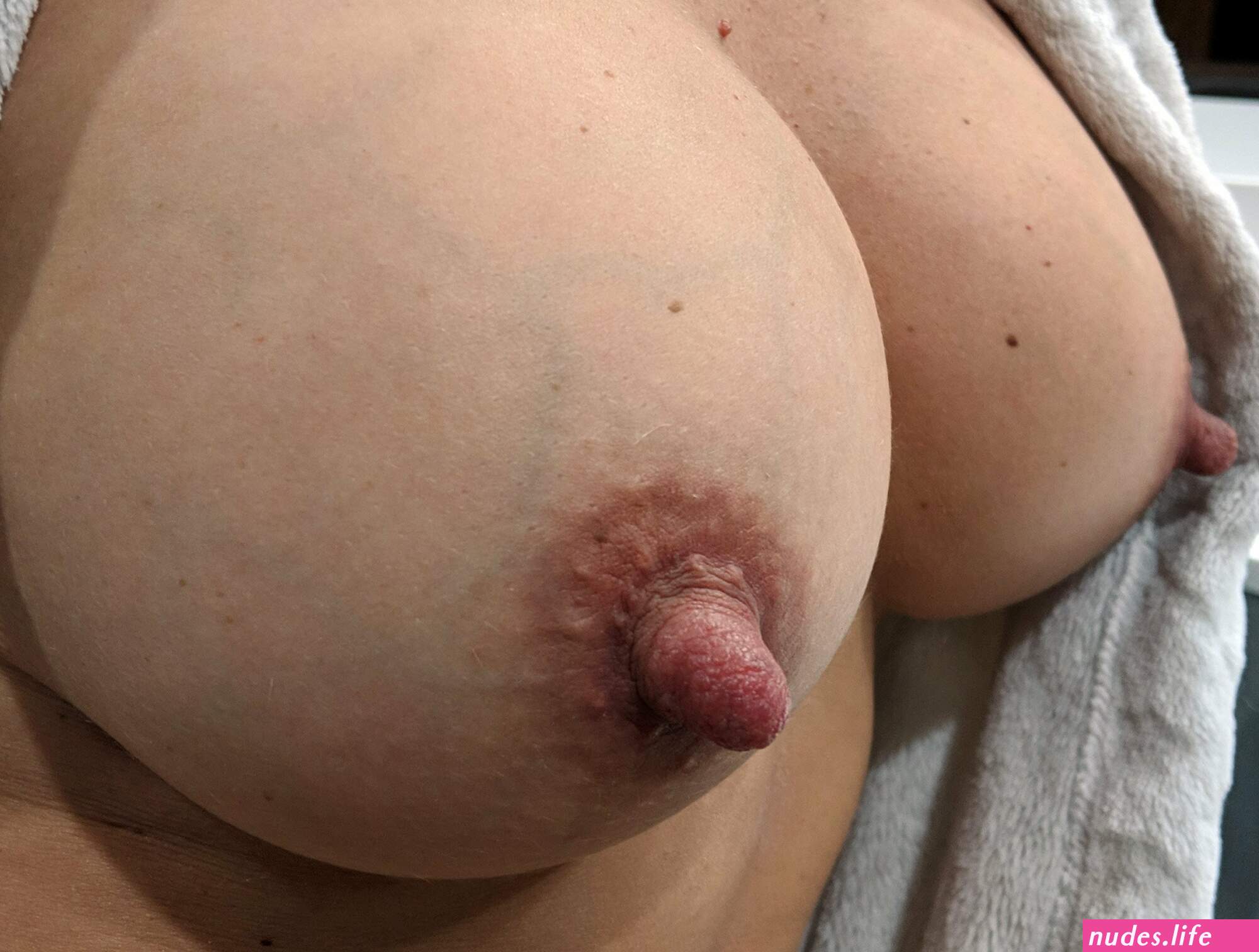


XVIDEOS awesome next door girl with explosive boobs and nipples free
Since nipples change throughout the life span in men and women, the anatomy of the nipple can change and this change may be expected and considered normal.
Nipple discharge refers to any fluid that seeps out of the nipple of the breast. Discharge from the nipple does not occur in lactating women. And discharge in non-pregnant women or women who are not breastfeeding may not cause concern. Men that have discharge from their nipples are not typical. Discharge from the nipples of men or boys may indicate a problem. Discharge from the nipples can appear without squeezing or may only be noticeable if the nipples are squeezed. One nipple can have discharge while the other does not. The discharge can be clear, green, bloody, brown or straw-coloured. The consistency can be thick, thin, sticky or watery.
The average projection and size of human female nipples is slightly more than
The legality around the exposure of nipples is inconsistently regulated throughout the US. Some states do not allow the visualization of any part of the breast. Other jurisdictions prohibit any female chest anatomy by banning anatomical structures that lie below the top of the areola or nipple. Such is the case in West Virginia and Massachusetts. West Virginia’s regulation is very specific and is not likely to be misinterpreted, stating: “[The] display of ‘any portion of the cleavage of the human female breast exhibited by a dress, blouse, skirt, leotard, bathing suit, or other wearing apparel [is permitted] provided the areola is not exposed, in whole or in part.
Nipples can be sensitive to touch, and
Despite the fact we all have them, somehow we’re all a bit fascinated by the tiny pigmented areas of skin known as nipples. But sexualisation aside, nipples actually serve an essential evolutionary purpose of feeding babies. So for the 99% of us who aren’t currently breastfeeding, and for the 50% of us who never will, their purpose is often called into question.
It can be. “In premenopausal patients, it’s a very common finding, particularly on manipulation [meaning after squeezing your nipple],” says Dr. Bakoulis. According to research, 50% to 80% of women in their reproductive years have nipple discharge, and only 6.8% of these are referred to a breast surgeon. In a premenopausal woman, nipple discharge is usually related to hormones—and in most cases, it’s normal. “The breast is like a super-modified sweat gland,” says Dr. Bakoulis. “If you manipulate the breast or nipple, you will almost always elicit some sort of discharge.” (Who knew?) Nipple discharge can occur from intimacy, wearing a tight bra, or even going from a hot to a cold environment (such as stepping out of the shower). “The muscles in the nipple contract and can cause discharge to seep out,” says Dr. Bakoulis.
Pregnancy is full of surprises, and it's no surprise a fair few affect your boobs. Welcome to the world of puffy nipples, leaks and much bigger bras…
According to Marley Hall, midwife and mum of 5, our breasts change ready for feeding. 'Female breasts change during pregnancy simply to get ready for feeding a baby. It’s the hormonal changes that take place during this time that have a huge impact on our boobs.'
'Some women will notice these changes early on in their pregnancy and some won’t report noticing any changes at all.'