Serg
Serg
Gallery








‘Ancient roman orgy’ porn video search results: 1-60 of 1,200 videos shown
A late-20th-century paradigm analyzed Roman sexuality in relation to a “penetrator–penetrated” . This model, however, has limitations, especially in regard to expressions of sexuality among individual Romans. Even the relevance of the word “” to ancient Roman culture has been disputed; but in the absence of any other label for “the cultural interpretation of erotic experience”, the term continues to be used.
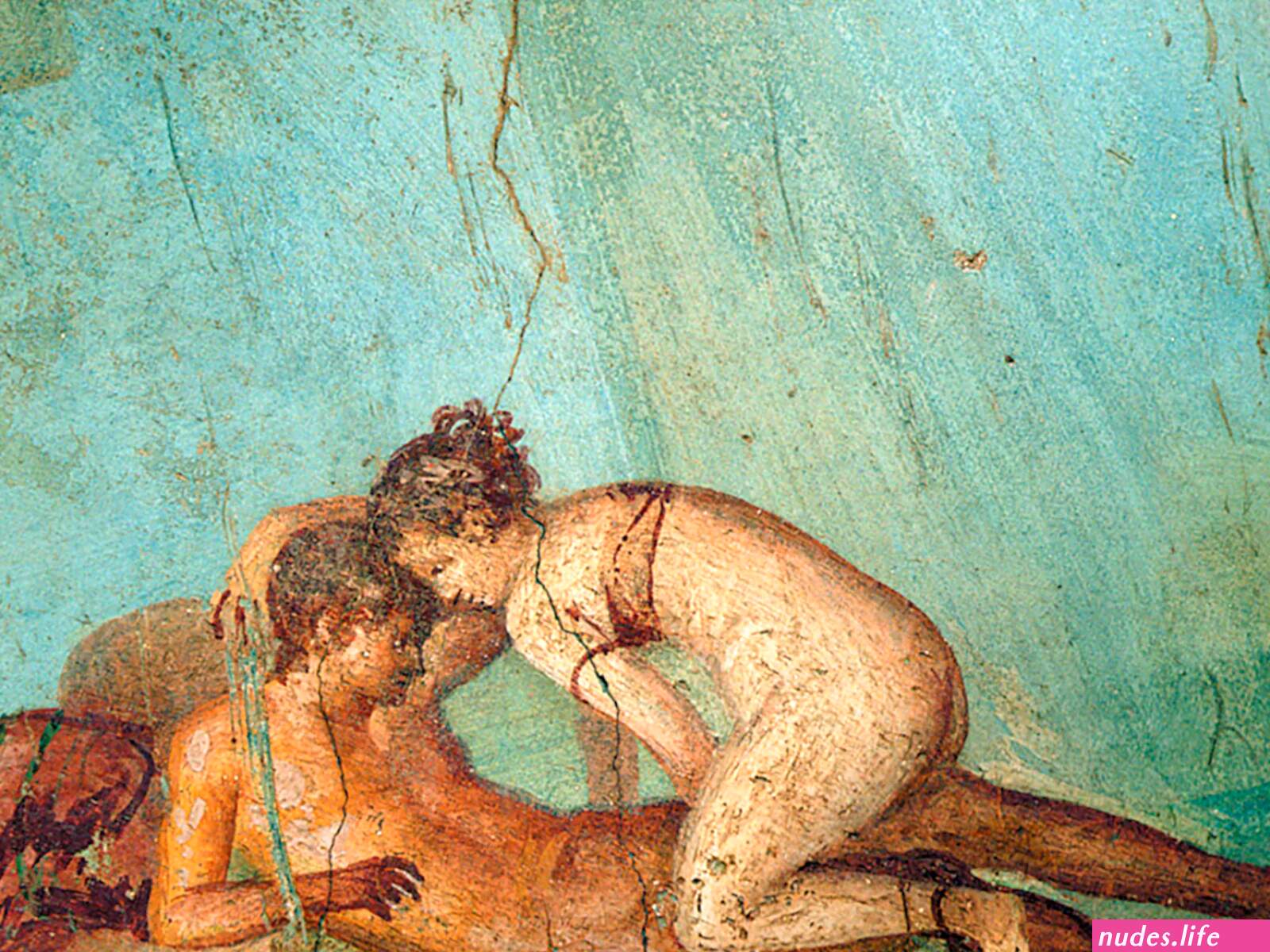
Ancient literature pertaining to Roman sexuality falls mainly into four categories: legal texts; medical texts; poetry; and political discourse. Forms of expression with lower cultural in antiquity—such as , , , love poetry, graffiti, , , and interior decoration—have more to say about sex than genres such as and . Information about the sex lives of the Romans is scattered in , , philosophy, and writings on , , and other technical topics. point to behaviors Romans wanted to regulate or prohibit, without necessarily reflecting what people actually did or refrained from doing.
Many Roman literary sources approve of respectable women exercising sexual passion within marriage. While ancient literature overwhelmingly takes a male-centered view of sexuality, the Augustan poet expresses an explicit and virtually unique interest in how women experience intercourse.
Greek words for a woman who prefers sex with another woman include (compare , “courtesan” or “companion”), (plural ), and ; Latin words include the , (“she who rubs”), and . References to sex between women are infrequent in the Roman literature of the Republic and early . Ovid, who advocates generally for a heterosexual lifestyle, finds it “a desire known to no one, freakish, novel … among all animals no female is seized by desire for female”—and yet Ovid’s story of in the (9.666–797) is “the most extended surviving account in ancient literature of female-female desire.” Ovid’s narrative of , a follower of , the goddess who actively shunned the company of men, is rich with homoerotic implications, as Callisto is seduced by only because he disguises himself as Diana.