Serg
Serg
Gallery

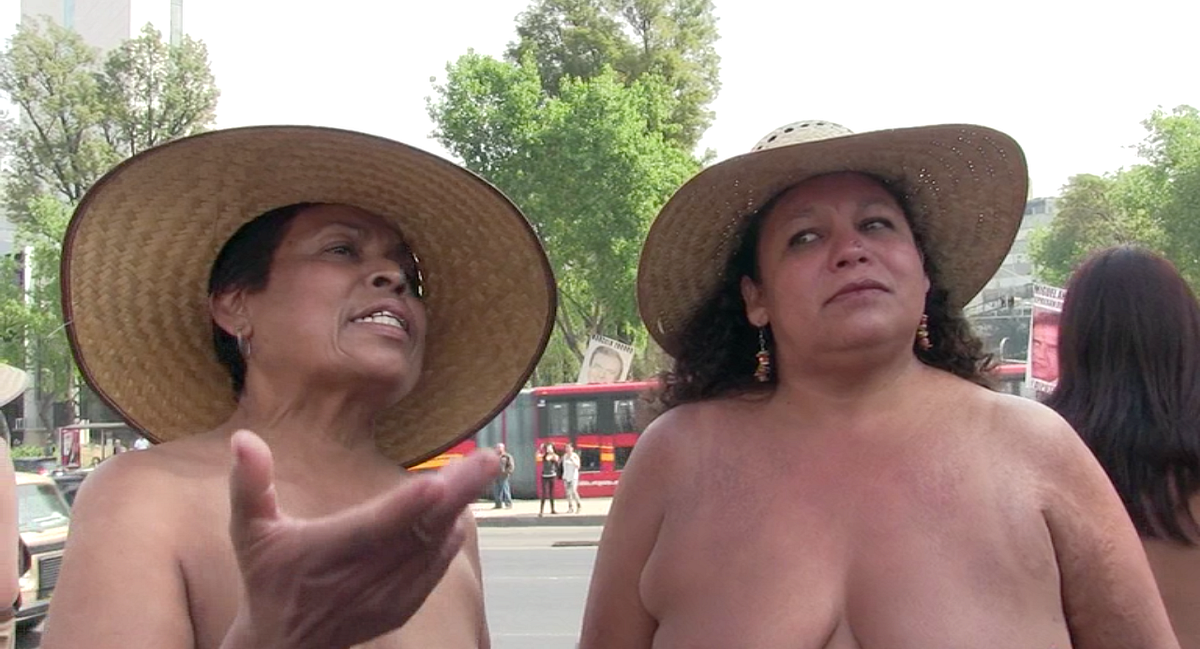


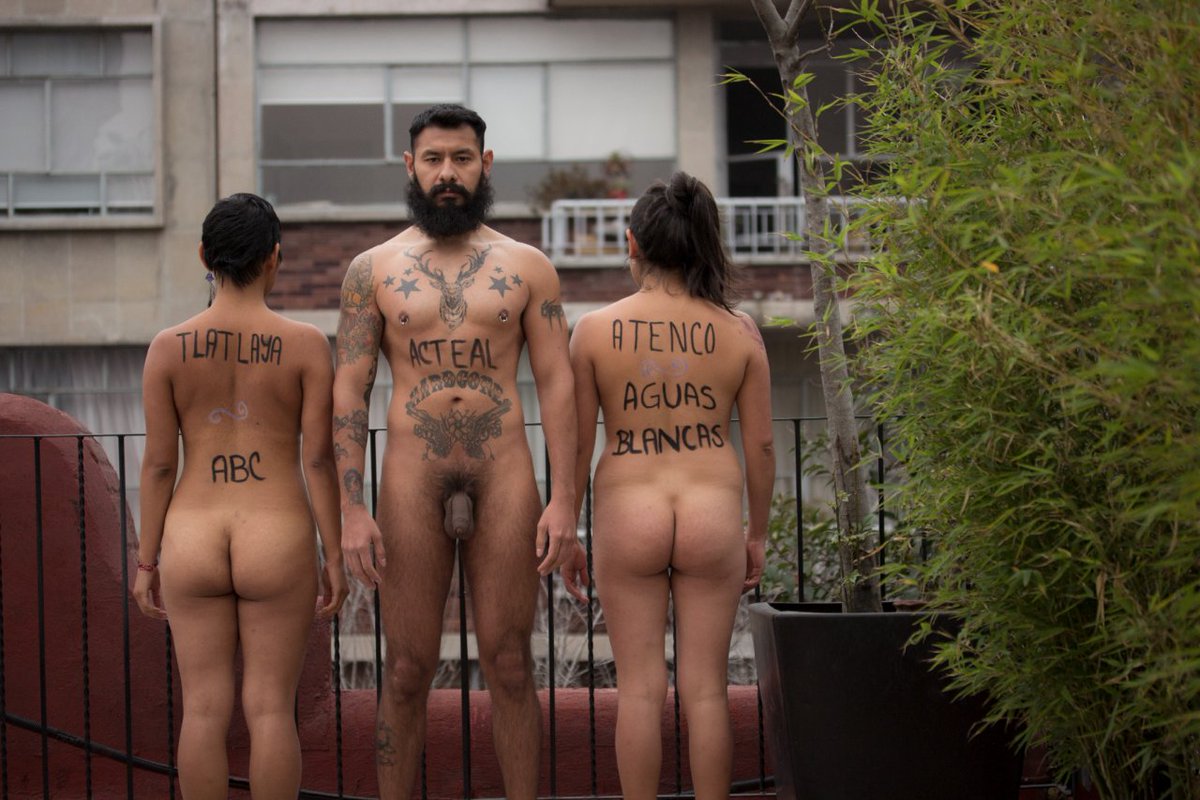


At first the capital received the protesters “with rejection” because Mexican culture looks down on women undressing in public or in front of other people “because it looks bad,” Sanabia . With modesty and Catholic morals the norm in Mexico, the success of the nude protest opened the door for future rallies.
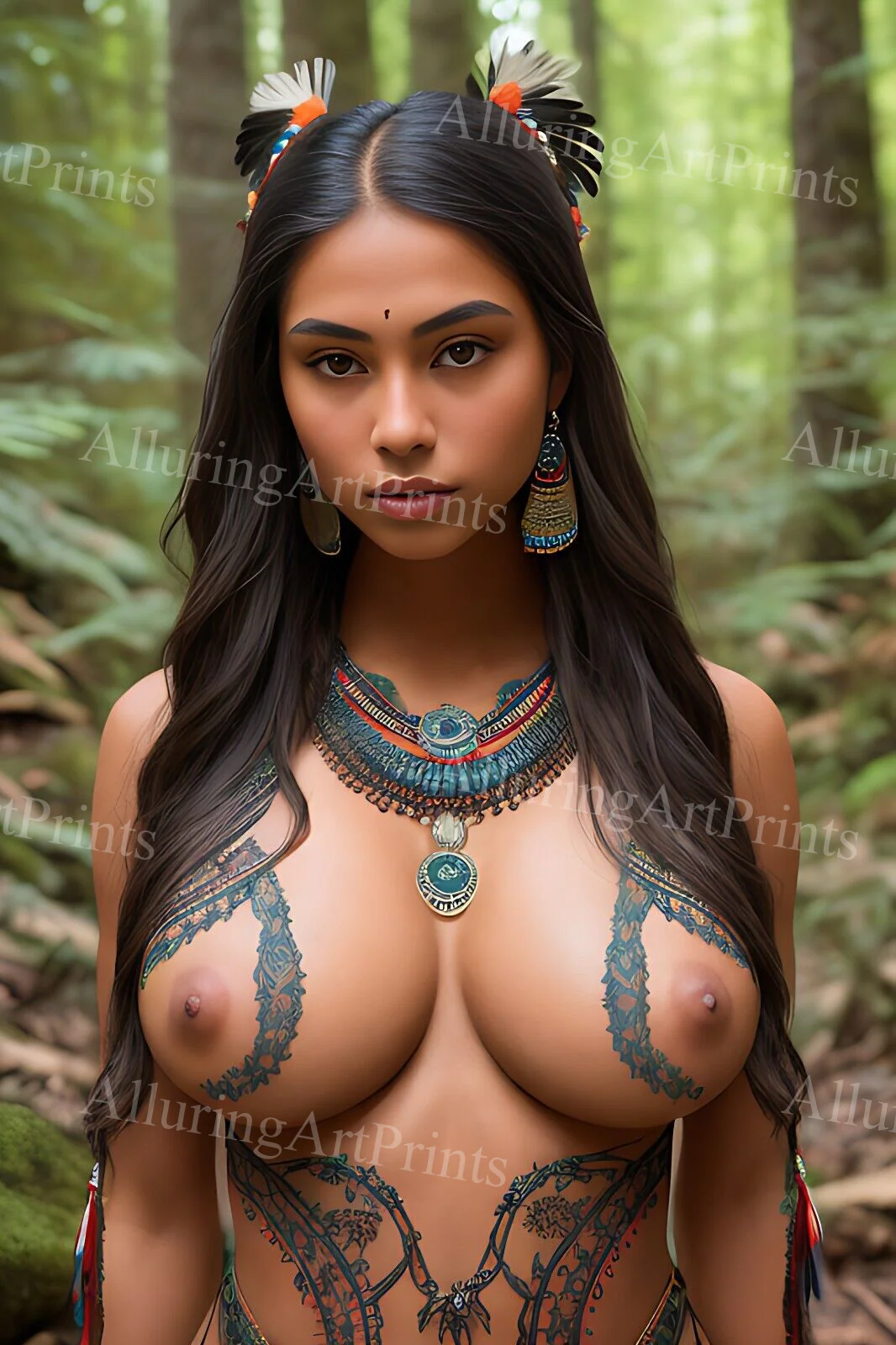
From this point forward, the work of Garduo began to convey a deep connection to the marginalized life faced by the country’s indigenous people. Her photography references traditional Mexican life, its iconography and folklore, intricately blended with the powerful and delicate study of the female body.
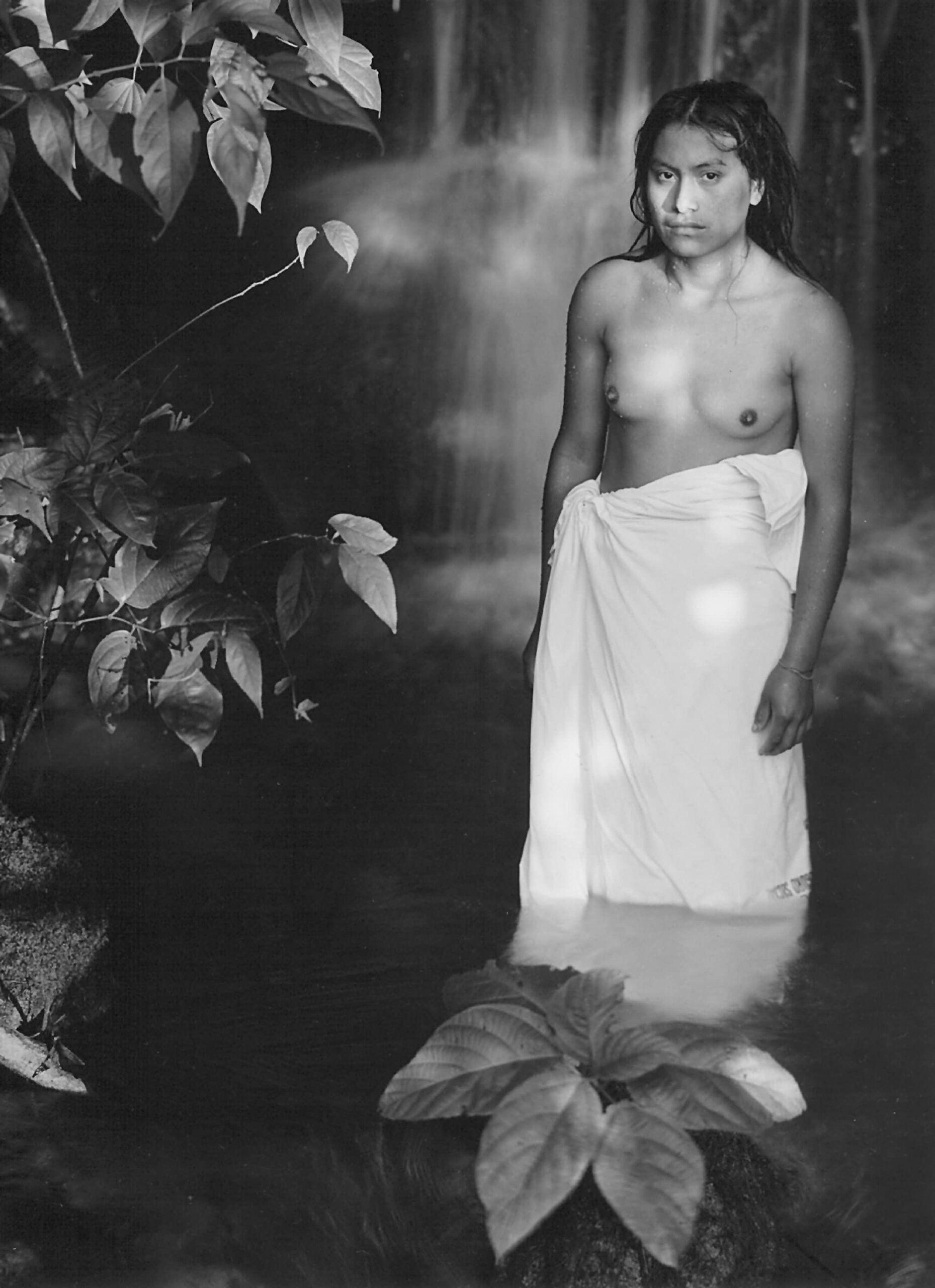
Her images, besides their aesthetic beauty, also act as sites to create awareness for the viewer through an artistic medium. photographed in 1993 for example shows and Oaxacan woman, partially nude, submerging herself in a waterfall. Oaxaca is home to 16 indigenous sects, presenting an incredibly biodiverse environment, but is unfortunately also among the five highest ranking areas in the world for endangered plants and animals.
In referencing Garduo’s portraits, we recall Irving Penn’s 1948 series of portraits of the indigenous people in Peru. Both series are intimate studies that use a raw studio space, extracting the subjects from their natural, traditional habitats and placing them in a neutral environment. While Penn pays the utmost attention to preserving the identities of his sitters, we see that Garduo instead obscures her subjects by blending in elements of nature from Mexico, such as long leaves and blossoming flowers. Garduo’s photographs in return create an all encompassing aura of femininity, using the nude body as a canvas to convey narrative which surpasses the traditional female representation.
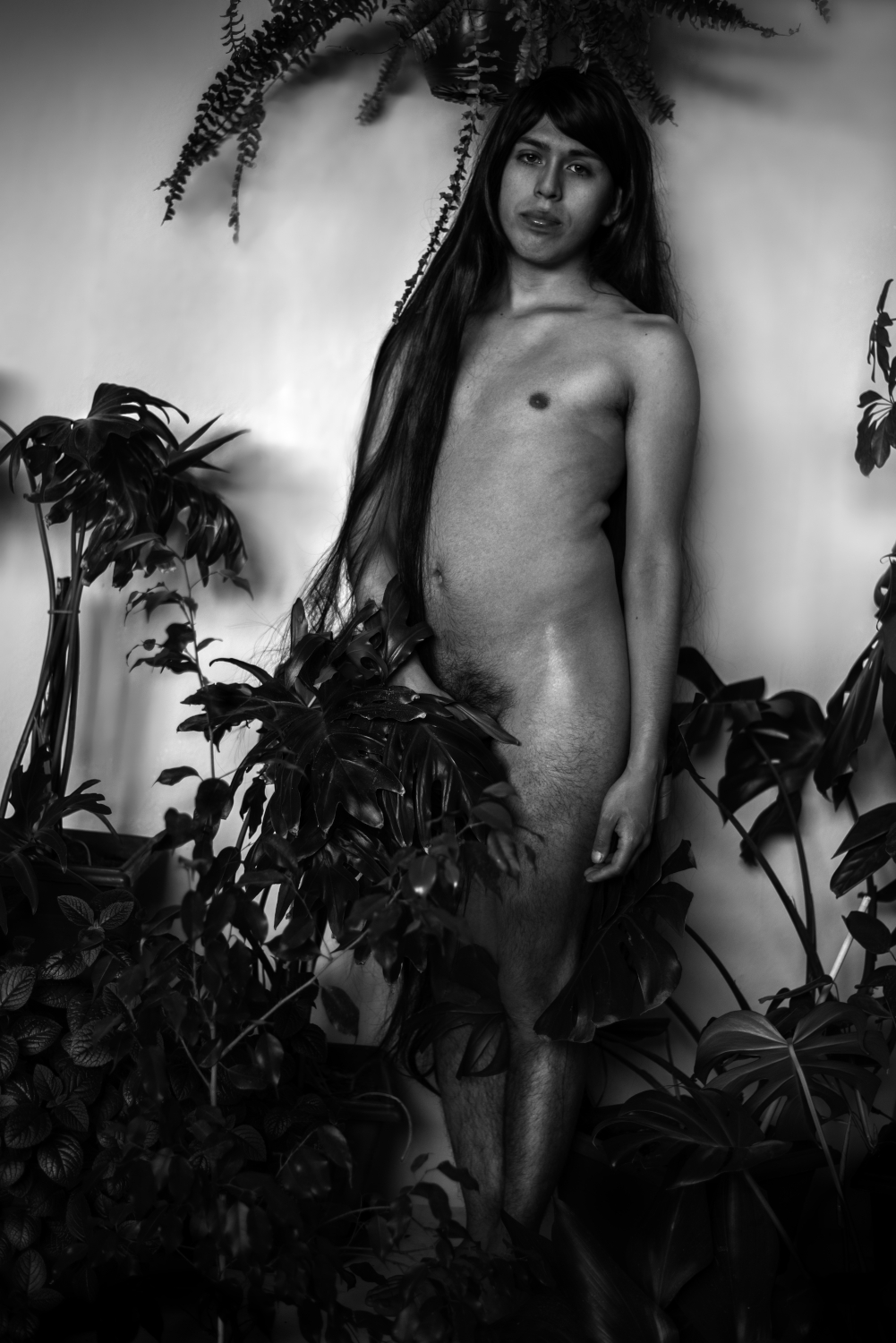
In Chile, (b. 1991), a non-binary artist of Mapuche origin, makes installations and videos about subjects such as migration, deterritorialisation and the construction of the links between eroticism, pornography and photography in the twentieth century. In one of their installations they juxtapose an erotic photo of a nude European female, a picture of a Yahgan Indigenous woman taken in 1882-1883, and a self-portrait where they reproduce the position of the women in both photos. S. Calfuqueo contrasts the European vision of sexuality with their own, which is non-binary and non-essentialist.