Serg
Serg
Gallery
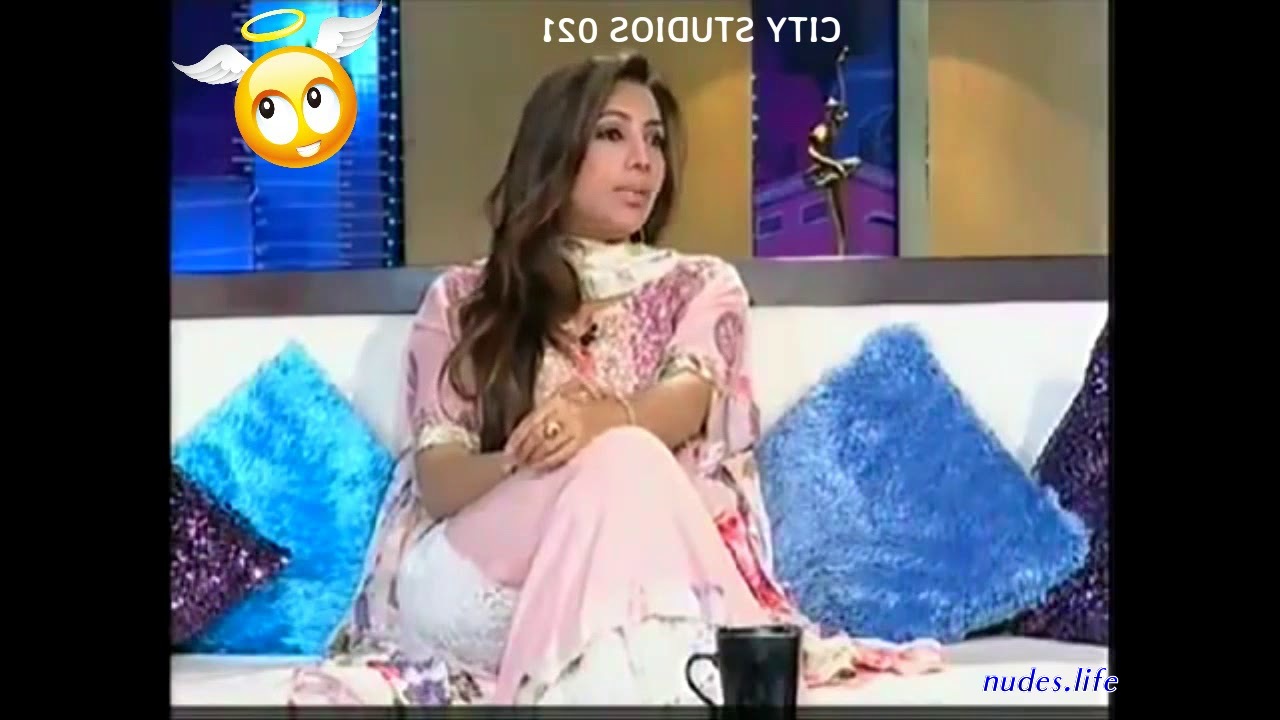
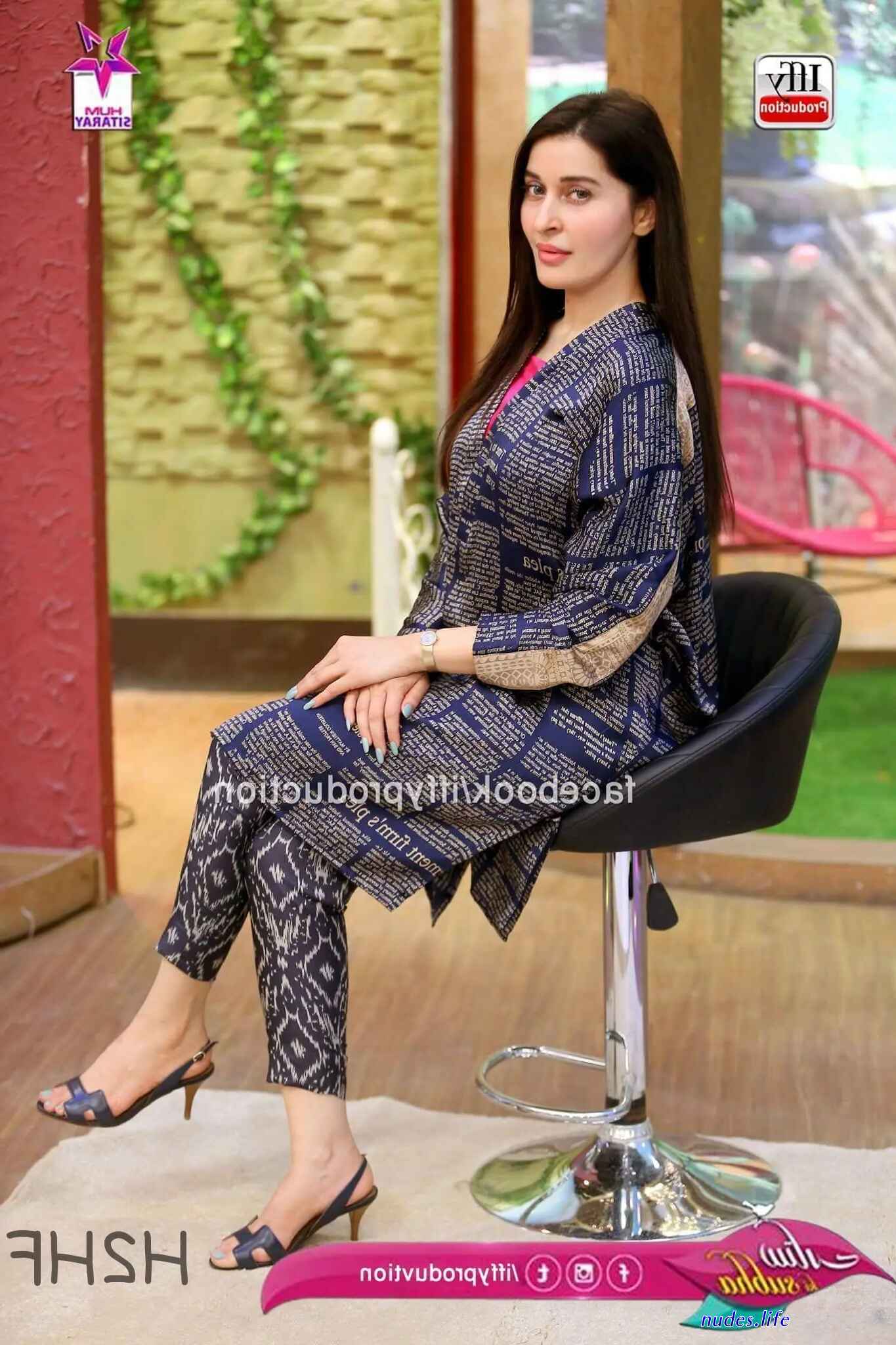



See Top 10 Most Beautiful Pakistani Actresses, Pretty, Lovely, Cute, Gorgeous, Best Pakistani Actresses Name List with Photos and a short biography in 2022
Post ke ibtida mai jo chousar and kero weghera ke rooh ka bulanay ka jo zikr hai, ye buhut ageeb sa lagta hai. Ye to west mei bhe esay log hai jo kalay ilam aur megic ke through murdon ke roohon ko bulanay ka dawa kartay hai.Jiss ke baray mei Ulmae Haqq farmatay hai ke ye log darsal shaitan ke behkaway mai aatay hai,kuonke kafiron ke roheen to azab ka maza chakti hain, aur shaitan inn logon ke surat mai aa kar logon ko dhoka deta hai.App iss ko aunty M. ke kiramat kahani gay kia? kia islam mie eisa koi tassawer hai ke murda logon ke roohain wapes iss dunya mai aa sakain.iss ilm ko kam se kam kiramat na kahain. Please iss point pe ghor karain.
Over the past couple of years, Pakistani police officers have joined Twitter to push back against criticism and reshape their image. Using a mix of moralizing and humor, officers have amassed followers by turning their lives into reality TV. On Twitter, the police have posted about a
Whether you’re an actress or a model you have to be weight conscious if you want to bag quality projects. It is a fact that looks count just as much as talent in the drama industry. There are very few over weight actresses who get to play the lead in dramas. In order to play the role of the single heroine you must look that age and for that being thin is necessary. But it is also a fact that while drama industry is more welcoming of actresses who might not be very thin, the situation in the film industry is completely different. All of these actresses in some of their interviews have said that the big screen is not forgiving at all so if they want a career in film they have to lose weight. With the Pakistani film industry flourishing more actresses want to bag roles in films. Non of these actresses were very over weight but they shed the extra pounds which might not have looked good on the big screen.
latest big ass moti gaand wali bhabi
#latest #big #ass #moti #gaand #wali #bhabi
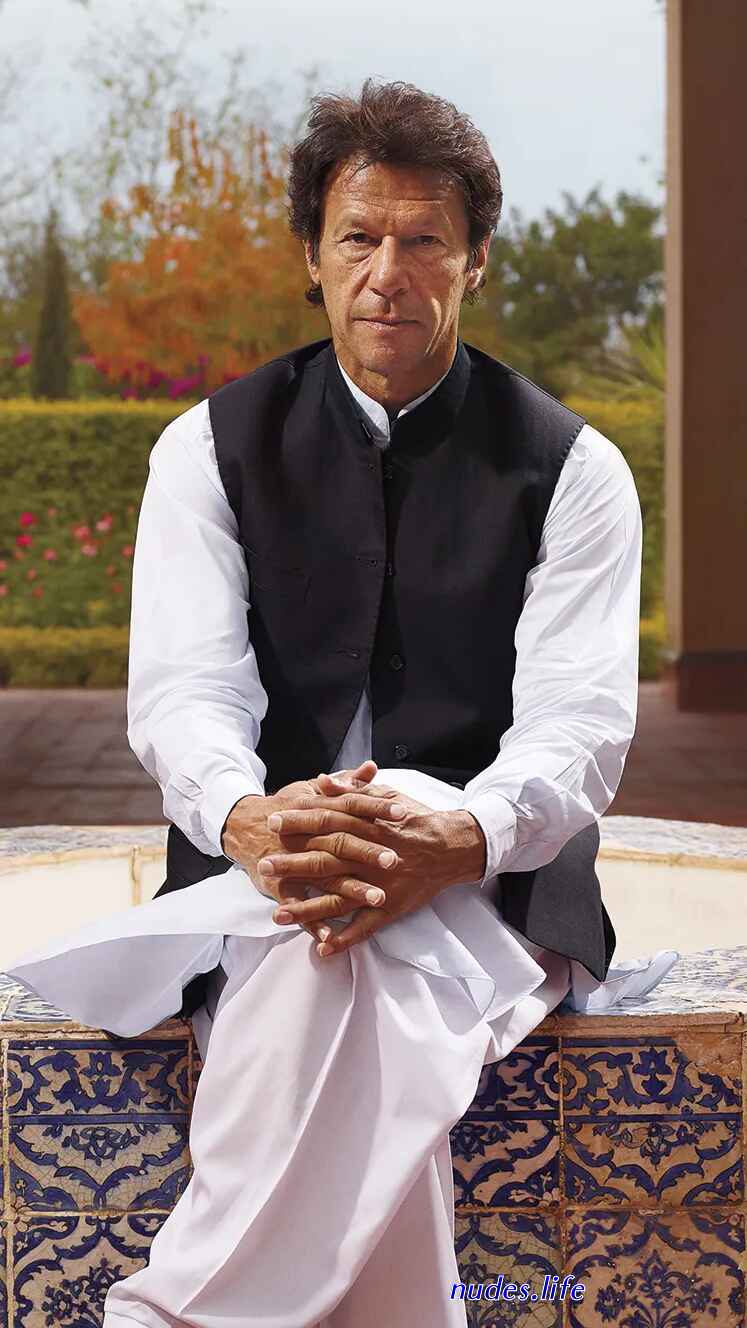
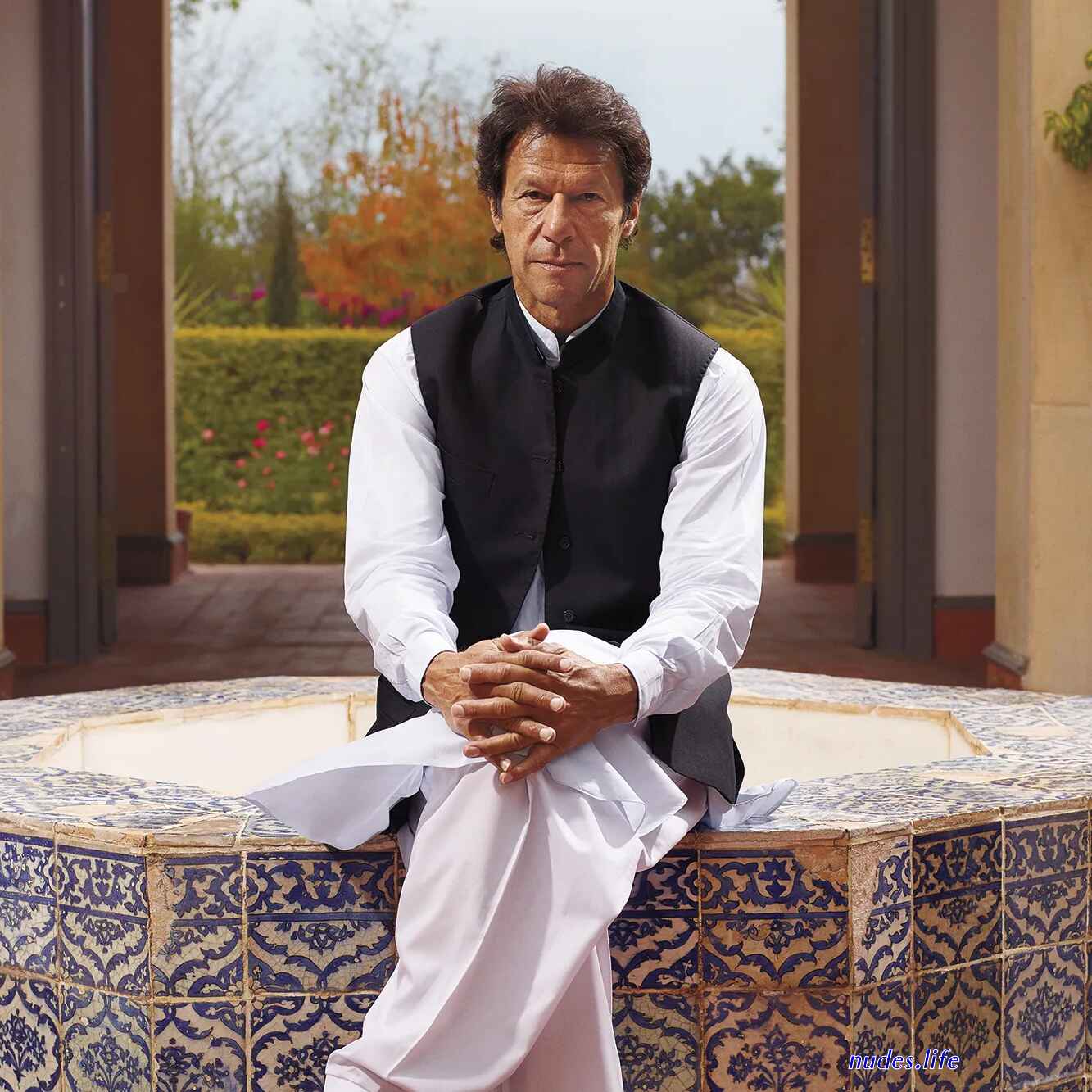
Arrestingly handsome and Oxford-educated, albeit with a third-class degree, Khan found the doors of the British aristocracy thrown open to him. Mark Shand, the brother of Camilla Parker Bowles, now the Duchess of Cornwall, was among his best friends; he was seen out on the town with Jerry Hall and Goldie Hawn; if his second wife, the television personality Reham Khan, is to be believed, he took part in a threesome with Grace Jones. The man who shunned the label of “playboy”—“I have never considered myself a sex symbol,” he told my mother in 1983—nonetheless left a long line of Khan-quests from Bollywood to Hollywood, with a pit stop in Chelsea, where his flat, with its tented ceilings of gold silk, was one part harem, one part bordello. “He had a lot of women in his life,” my uncle, Yousaf Salahuddin, one of Khan’s best friends and a cultural institution in his own right, told me recently in Lahore, “because he was a very wanted man. In India, I have seen women from the age of just 6 to 60 going crazy over him.” In 1995, at age 43, Khan married Jemima Goldsmith, the daughter of the tycoon Jimmy Goldsmith, who is said to have presciently remarked of his son-in-law, “He’ll make an excellent first husband.” As a teenager, I remember gaping over paparazzi photos of the newly wed couple, including some of them
I first spoke with Khan at a party in London, when I was 25. At the time I was dating Ella Windsor, a minor member of the British royal family who was a family friend of the Goldsmiths. To see Khan out and about in London—the legend himself—was to understand how truly at home he was among the highest echelons of British society. The English upper classes adore cricket—it is one of the many coded ways in which their class system works—and the allure of the former captain of the Pakistani cricket team was still very real. The night we met, in late summer 2006, Khan had come to a party at a Chelsea studio overlooking the Moravian burial ground. On that balmy evening, surrounded by the silhouettes of plane trees, it was clear that Khan, five years after 9/11, was in the throes of a religious and political transformation. I was researching my first book,
The next time I met Khan was under dramatically altered circumstances. In December 2007, I was staying with my uncle Yousaf in his house in the old city of Lahore, when televisions across the country began to flash the news that Benazir Bhutto, the former prime minister, had been assassinated. It was deeply affecting, even for those who disliked Bhutto, to see this tarnished but enduring symbol of hope and democracy cut down so violently. Upon her death, Pakistan, battered by terror and military dictatorship, descended into paroxysms of grief. Into this atmosphere Khan arrived a few days later with a French girlfriend. He had been in Mumbai, staying at the house of a prominent socialite, where he had been photographed poolside in swimming trunks as his country was engulfed in trauma.
On social issues, Khan has certainly played to both sides. He fired one minister for speaking in bigoted ways about Hindus—a tiny minority in Pakistan—but dropped a leading member of his economic advisory council for belonging to a sect considered heretical. Khan’s supporters argue that he is merely being strategic in dealing with Islamic extremism. Once, on a flight to China, Ali Zafar asked Khan about his right-wing tilt. “It’s a very sensitive society toward certain issues,” the cricketer told the pop star. “You just can’t talk about those issues so openly, because you’re going to be penalized for it.” Khan assured Zafar that he knew what he was doing. “You know me,” he said. “I’m a liberal; I’ve got friends in India; I’ve got friends who are atheists. But you’ve got to be careful here.”
Considered the most photogenic Pakistani drama actress, Ayeza was born on 15 January 1991 in Karachi. Her famous dramas are Aks, Kahi Un kahi. She got married to Danish Khan.