Serg
Serg
Gallery
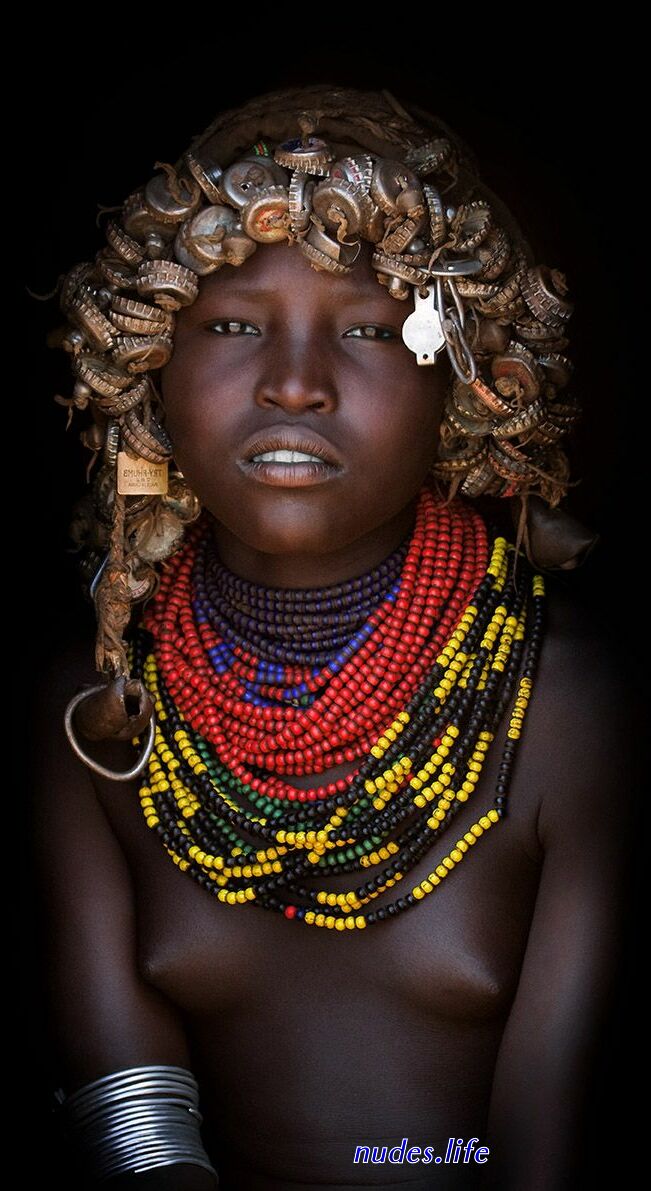
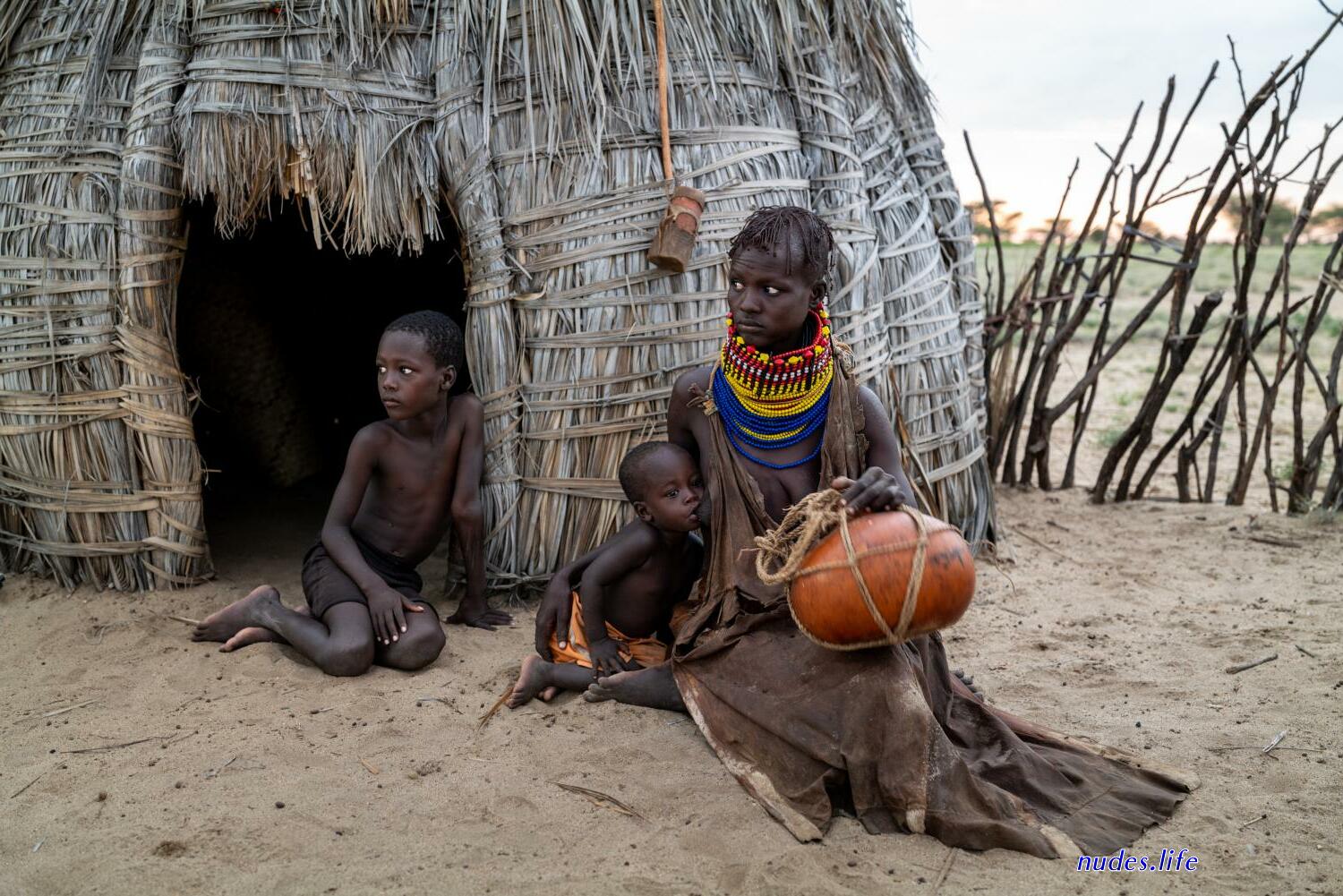
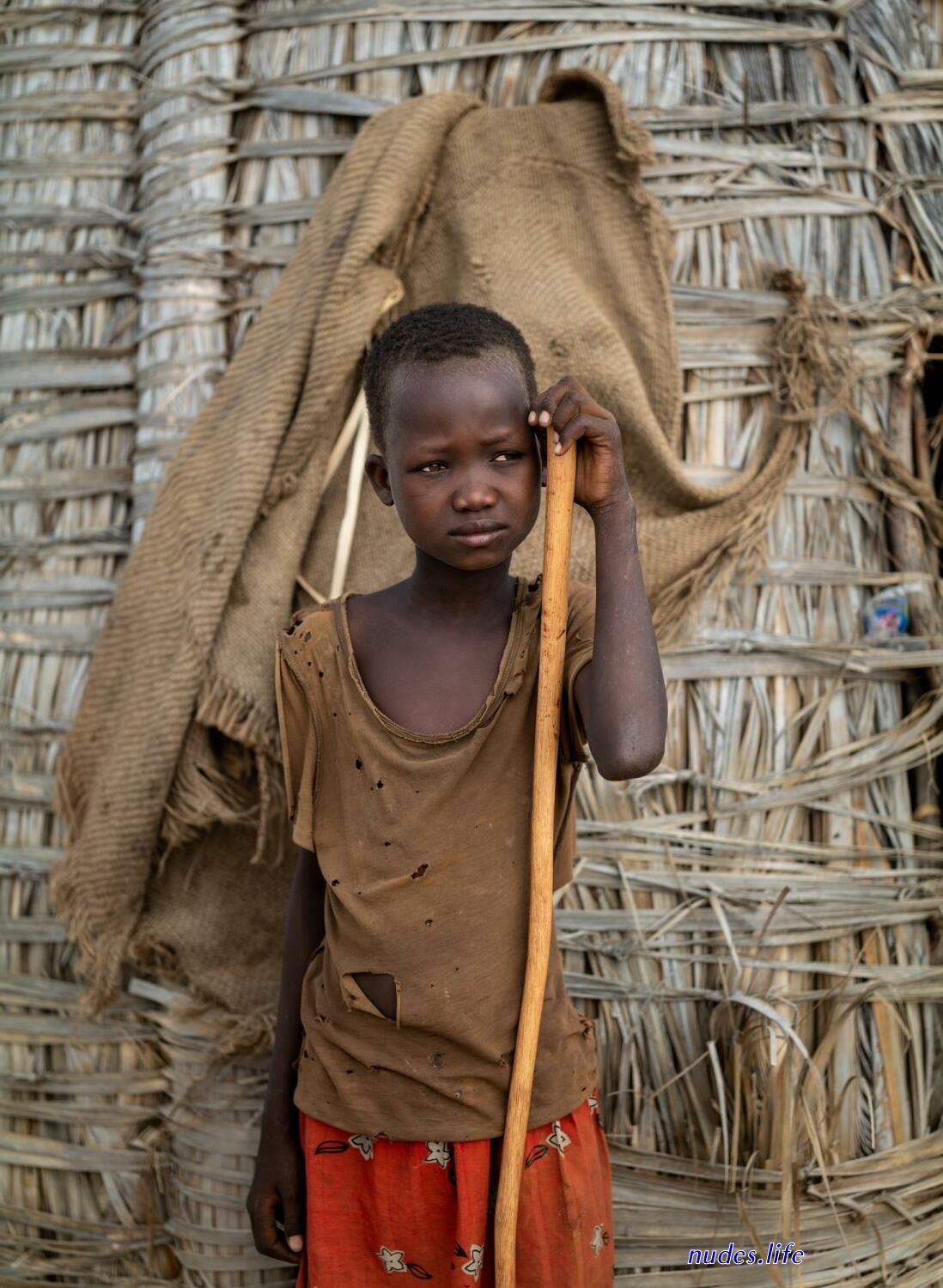
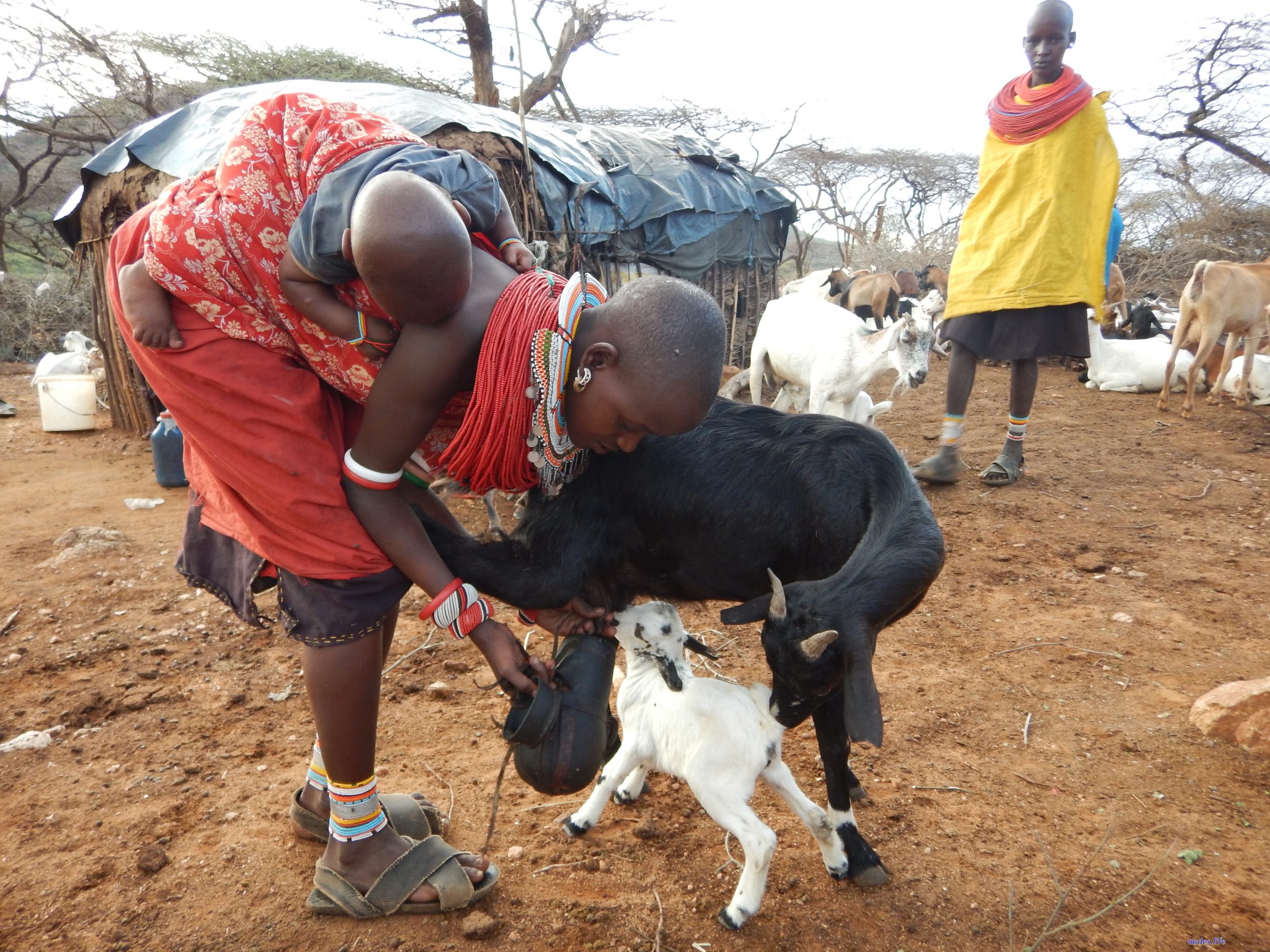
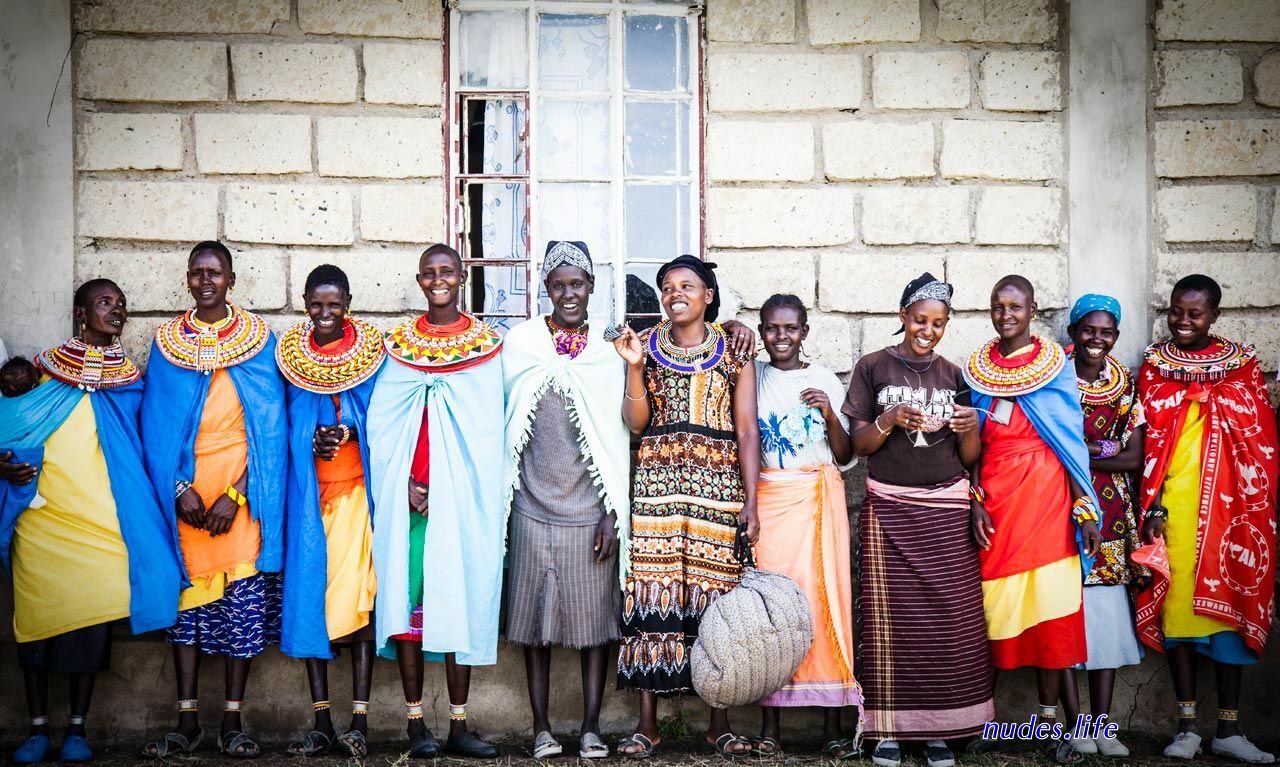
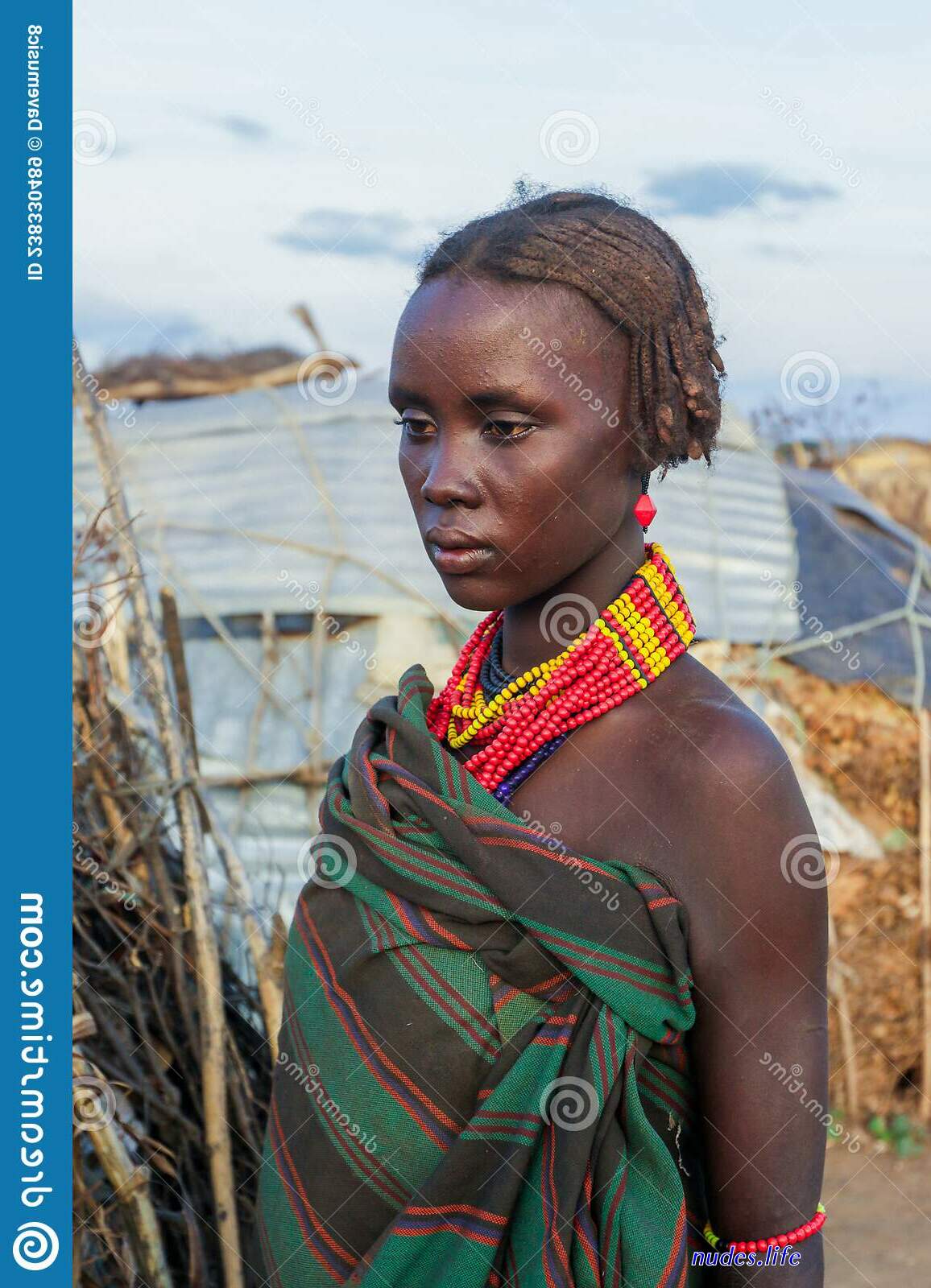
I discover that in Turkana, breasts are like Ricky Rozay’s moobs. It’s okay to show them off, no one really cares. I see a woman walking bare-chested once and many others with lose clothing or wraps that leave their breasts sagging or peeping. Traditionally, Turkana people wear wraps made of rectangular woven leather materials made…
Lepo Ikal makes butter from goat milk in a gourd at her family’s home on the shore of Lake Turkana in Kenya. The Turkana use butter as food, to soften the leather hides they wear and in rituals.
Many women in the region of Turkana have been left without support and are completely on their own. A project is offering them hope.
I have stopped watching music videos of Kenyan, Congolese and black American hip hop and rap artists because I find them offensive to women. As a woman who has spent a lifetime fighting the notion that women should be judged by the size of their breasts or buttocks, I find the hypersexualisation of women and girls in many of these videos to be an assault on womanhood. The skimpy outfits, the suggestive gyrating of the extraordinarily large buttocks, the focus on women’s surgically enhanced breasts are all meant to show that women are first and foremost sex objects.
As a woman who has spent a lifetime fighting the notion that women should be judged by the size of their breasts or buttocks, I find the hypersexualisation of women and girls in many of these videos to be an assault on womanhood.
Dede Hunt, an African-American woman, recently put out a video that decried the “Baartmanisation” of black women in music videos and on the Internet. She wondered why African-American rappers constantly referred to black women as “whores” and “bitches” and why they used titillating images of black women’s breasts and buttocks in their videos. Is this what slavery had done to a people, she wondered, where former slaves humiliate their own, all in the name of record sales?
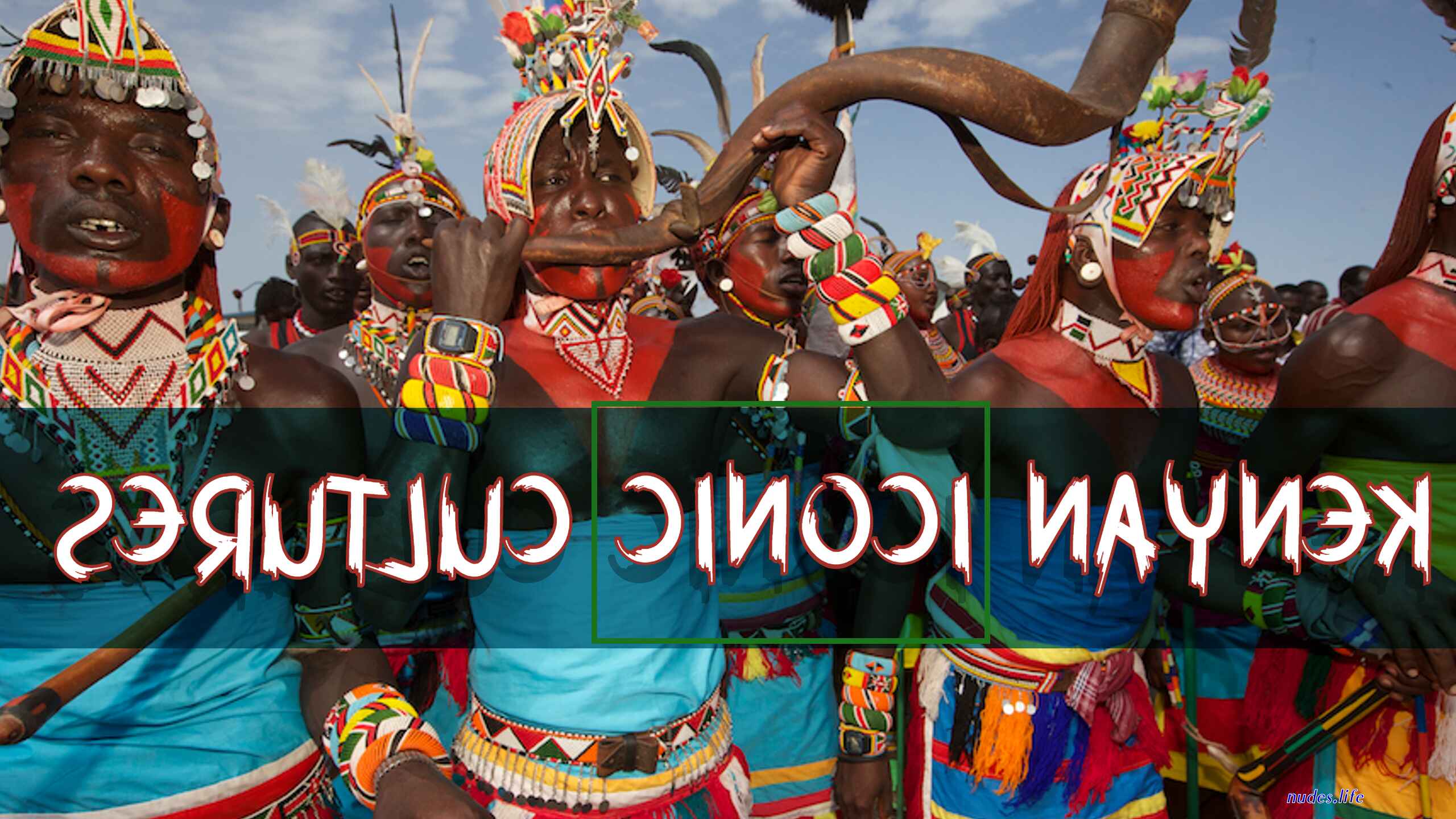
The Maasai tribe is known as warriors. They are famous for their red robe and colorful bead accessories that visually sets them apart from other tribes, unlike what is customary for some races, where the women wear long hair, and the men keep their hair short. The women of the Maasai tribe keep their hair extremely short or shaved, while the Moran’s has their hair braided and colored with a red hue.
The Maasai warrior may be the basis of what we see on the big screen, where a warrior must take the rite of passage in order to become a fully pledge warrior. The ritual is called the Enkipaata, in this ceremony; boys with the age of fourteen to sixteen roam across the savannahs, led by the elders for four months. By the end of this activity, the group must build a village with 30 to 40 huts. The Leader of the group or the Olopolosi is chosen before they re-enter their town. They are now ready for the next stage, which is the Emuratta or circumcision. Both young men and women would have to undergo this ritual. Young men would have to herd cattle for 7 days finished off by standing under a cold climate soaked with cold water for cleansing before the is circumcised. After this, both the males and females can only wear black clothing for four to eight months, which is the duration of the wound healing. Only after this is he considered a warrior while the women may now marry a senior warrior.
Maasai women do not wear the same type of clothing; however, some conventional aspects can be noticed.
Ear stretching has an African history with it. The Maasai tribe has used earlobe stretching to enhance their beauty. Stones, wood, and tusk were used to stretch their earlobe piercing with the use of weight or larger sized plugs. This type of body modification also denoted their age from older tribesmen would generally have bigger stretched piercings. The women also did rook piercing, where they wear large chandelier earrings made of colorful beads.
The Fulani tribes know for their large gold earrings, they would get their ears to pierce when they reach their third birthday and stretch them just enough to wear large hoops popularly knows as the Fulani earrings. Characterized by a 5 inches ling twisted hoop earrings, a representation of wealth and marital status. The women would carry their wealth within the empty groove of the ornament while they socialize and purchase goods,