Serg
Serg
Gallery
Riding the world on motorcycles
Ultimately, we all ride bikes because it feels like being a kid again. Cycling should be a release from stress, not a cause of it. If you find yourself tired, angry, and constantly aching, then cycling isn’t playing a healthy role in your life. We suggest you take a week off and schedule activities off the bike (like hiking, climbing, or swimming) and spend time with the people you don’t get to see because you’re always trying to cram a ride in. Once you get back out there, leave your GPS head unit at home and schedule social rides with people you normally see as “not serious” enough to train with, then stop and buy them a coffee and a pastry. This is a great time to try a discipline you’re less familiar with (like cyclocross or mountain biking) and focus on skills, not training volume or intensity. After a few weeks of trail rides and cookie stops, you should be in a much happier place with your riding.
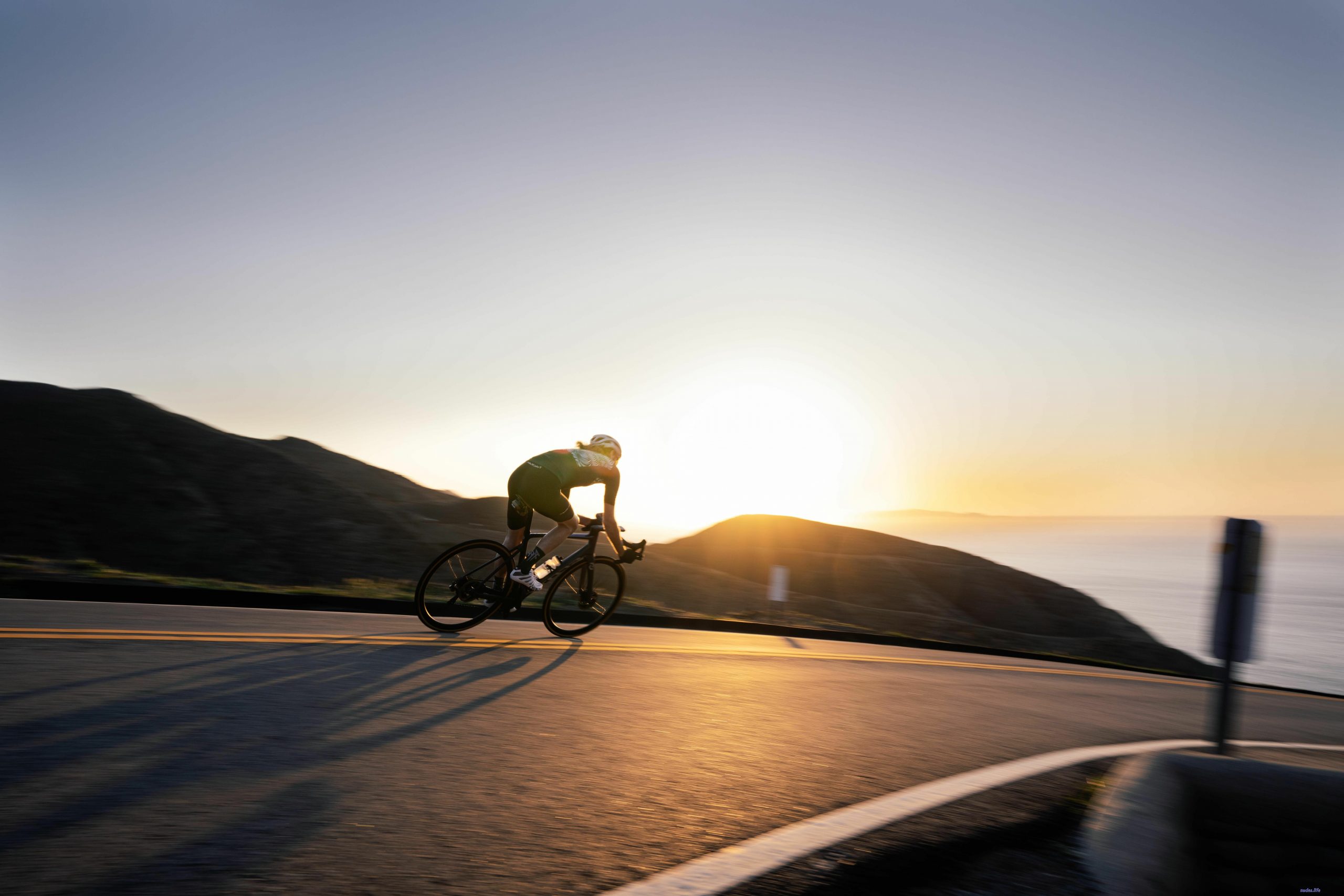
It’s the flagrant angle of the bike that catches me off guard. The rider flings his machine into a corner, his body pitched unnaturally to one side, as if the rules of physics are merely things to be fucked with, and that fear—even the faintest traces of it—is somewhere behind him, far up the canyon he’s currently barreling down, dropped and left gasping for air in the gutter.
Now the rider drifts from the white line along the right side of the road to the double yellow and then back again as he skims another corner. No sooner has he navigated these two turns and he’s melting into a super tuck, all his movements—his entire being—blessed with a preternatural grace, even at 56 miles an hour with the western fringe of the Continental 48 plunging hundreds of feet to the Pacific far below.
For the uninitiated, Deer Creek is a two-mile twist of California road that veins the hills north of Malibu, dropping riders down an 11 percent pitch that, like most of the canyon roads out there, T-bones into the one-lane traffic along the northbound side of the Pacific Coast Highway. As far as L.A. canyons go, it isn’t one of the most technical, and yet the way Safa Brian rides it leaves little room for error. The stakes are high, the threat of a crash sometimes looming only a tire’s length or two to one side of the road. This might be the video’s defining feature, but it is not the sole appeal. There’s an artistry on display beyond the skill required to ride at such high speed. You see it in the soft light, the sound, the vibe, the flow, all of it belonging to a vision that feels as dialed as the dude’s descending. In many of Brian’s videos, a soul-restoring sense of beauty mingles with the specter of serious injury or, in the most white-knuckle of them, maybe even death. This tension charges each clip with an immediacy not otherwise found in a sport whose romance has long been defined by the slow-burn sufferfests spent riding up mountains, not down them.
All I see today, however, are bikes hanging on a wall, most notably his Scott Addict RC Pro, a brand he’s ridden for years and now rides exclusively, per his sponsorship agreement. He speaks to me via the computer that serves as the editing bay for his popular Descent Disciples YouTube series. Typified by speed, Descent Disciples is an 11-volume body of work that’s seen the soft-spoken 35-year old South African (hence the Safa moniker) set KOMs down some of Greater L.A.’s most coveted canyons. Even without the helmet and sunglasses he wears in the videos, his scruff and long hair make him instantly recognizable. Brian might have the physique of a high-caliber cyclist, all sinewy limbs spiderwebbed by the type of thick-rooted vascularity attained through years of endurance sports, but his aura is more punk rock than World Tour.
“I know from riding as a messenger for so long, that you can sit in the bike lane, never break the speed limit, stop at every stop sign, and you’re still going to get someone spitting on you, throwing beer bottles at you, shouting ‘fuck you’ because you’re riding a bicycle,” Brian says and shakes his head. “Just because you’re riding a bicycle you’re hated. That’s the fact. You can’t convince me otherwise.”
Brian’s heard all the hypotheticals. How his videos might inspire riders who are less skilled to attempt similar stunts. How his descent speeds, or the fact that he sometimes disregards yellow lines or stop signs, give cyclists a bad name, or worse, tarnishes them as risk takers whose disregard for their own lives means they also deserve to be disregarded by drivers. One critic, Brian tells me with a bemused laugh, even suggested a scenario in which he could crash through the windshield of an oncoming car and kill half the family inside.
Though Brian has far more fans than detractors, some of the criticism is particularly hard to take, especially from the self-appointed cycling gatekeepers who tend to be the most vocal critics. In the subset of road cycling where coffee shops and matching kits and bespoke training plans prevail, tradition is paramount, with riders new and old expected to adhere to a set of unspoken rules that can feel as precise and robotic as a paceline. Veer outside those narrow lanes, say in a T-shirt and jeans, long hair flowing, bike drifting from one side of the road to the other while cutting a corner’s apex at speeds approaching 50 mph, and you can expect to catch some heat.
Brian’s fans are there for the wide array of content in his videos—from soulful sunset cruises high up in the hills above the Pacific to whipping-around-corners action. Many reach out to tell him how his work has inspired them to pick up road cycling, a sport they previously considered uncool or too exclusive. When Brian rides with pros like Movistar’s Matteo Jorgenson (who says Safa’s content reminds him of the skating videos he grew up on), he approaches the shoot the same way he does when he films with his friends: There’s no agenda. He doesn’t care about crushing descents or even going hard; he just wants to film them doing their thing, whatever it is on that particular day.
“The more we see people riding how they want to ride,” he says, “the more we’ll see a broader audience attach themselves to road cycling.”